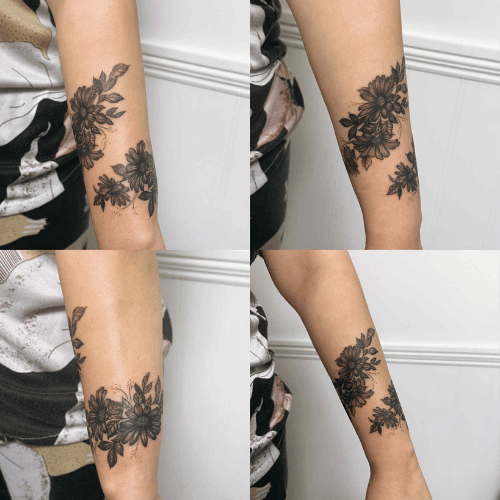
Tattoos and Stigma against women
by KitainkPH
In recent history, tattoos in the Philippines have often been associated with masculinity, rebellion, or deviance. But that is changing, especially among women. Today, more Filipina women are using tattoos to tell their stories, reclaim their bodies, and challenge the idea that femininity must always be soft, quiet, or traditional.
Historically, tattoos were not only for men. Among many indigenous groups, women also bore tattoos that represented coming of age, social status, spiritual beliefs, or rites of passage. These were marks of pride. However, with colonial influence came a shift in perception. What was once a respected cultural practice became something frowned upon or hidden—especially for women.
This stigma persists today. In conservative or professional environments, tattooed women are still often expected to cover their ink to be considered “respectable” or “professional.” But by being visible and successful in these spaces, many women are changing the narrative. Their tattoos are no longer seen as rebellious—they are seen as symbols of strength, survival, and self-definition.
For many Filipinas, tattooing is more than personal style. It is a form of reclaiming space and rewriting the story of their bodies. Each design, each mark, becomes a declaration: This is mine.
Aguila, L. J., Lizardo, R. L., Portes, A. J., Romero, S. T., & Valderrama, G. A. (2024). Feminine Ink: Exploring Women’s Tattoos in the Workplace as Expressions of Body Autonomy and Challenges to Traditional Femininity and Sociocultural Perceptions in the Philippines (pp. 1–468).