

Ink and Intention

By KitainkPH     |     October 27, 2025

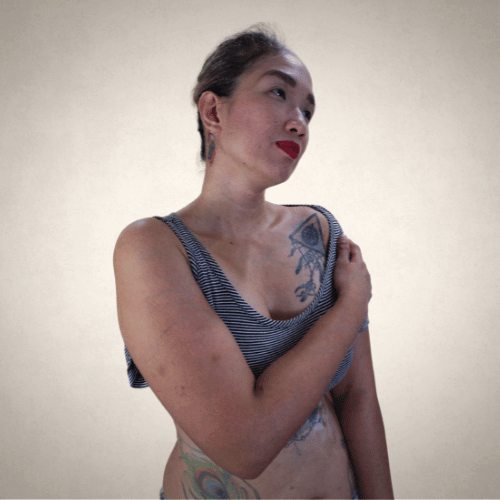
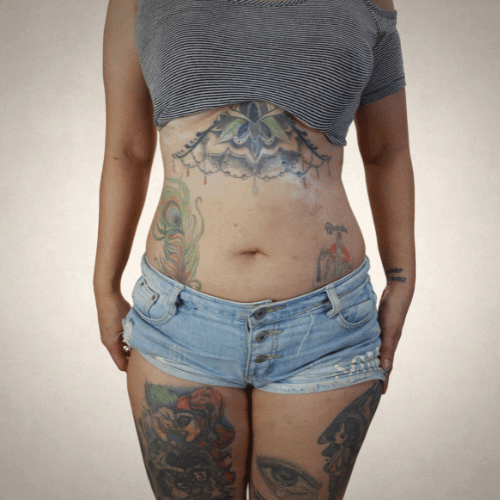
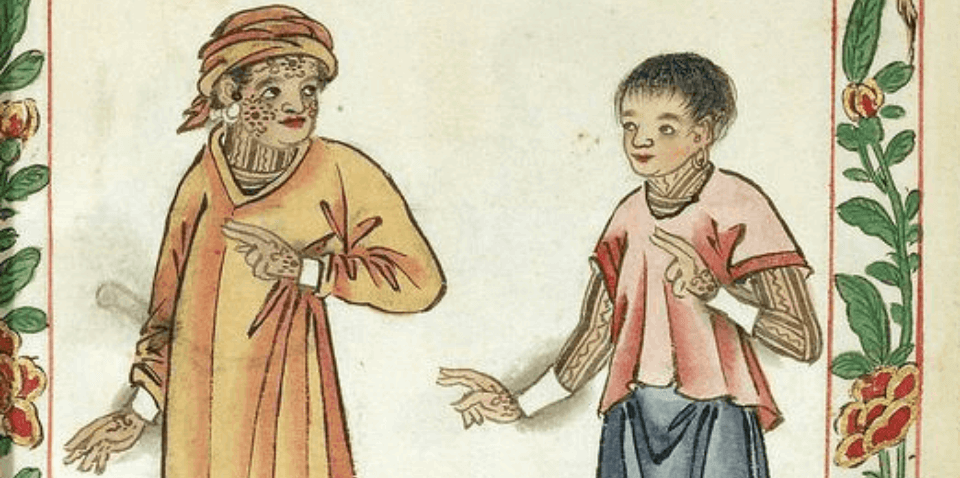
Tattoos have long served as powerful tools of self-expression, shaped by personal stories, cultural roots, and social contexts. While each tattoo carries a unique meaning for its wearer, they often reflect broader themes of identity, healing, resistance, and connection.

Tattoos as Personal Narratives

For many, tattoos are deeply personal. They can commemorate loss, mark growth, or embody cherished values. Research by Buckle and Dwyer (2021) shows how memorial tattoos help individuals process grief, offering permanence, control, and a sense of connection with those they’ve lost. Similarly, Farley et al. (2019) found that midwives used tattoos to represent life-defining moments: from symbols of leadership to tributes to loved ones.

These body markings become living narratives, each design a chapter in someone’s story. Atkinson and Young (2021), along with Sweetman (1999), highlight how tattoos allow people to assert individuality in a world that often encourages sameness. For some, the act of getting tattooed is a way to reclaim the body, an assertion of control and ownership, as noted by Carroll and Anderson (2002).

At the same time, tattooing isn’t always about rebellion or individuality. Dalrymple (2015) points to tattoos as a social phenomenon, adopted to align with group trends or aesthetics. This dual role, as both a symbol of defiance and a badge of belonging, reflects how tattoos continue to evolve as expressions of identity.

Women, Tattoos, and Social Norms

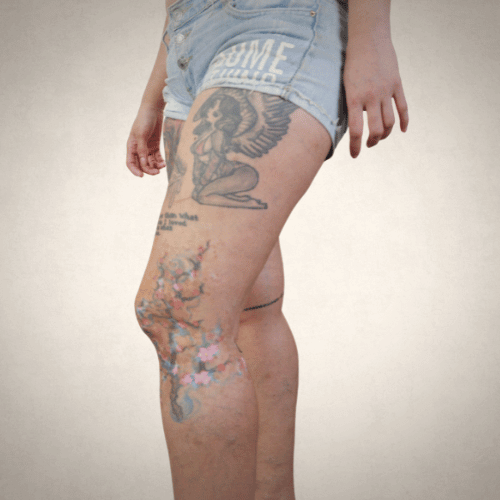
The relationship between women and tattoos is shaped by expectations surrounding appearance, autonomy, and gender roles. For many women, tattoos serve as a form of healing, especially after trauma or loss. In Tattoo Monologues, Donna Torrisi shares stories of women who used tattoos to transform grief into strength. One mother, for example, memorialized her late daughter with angel wings and a name across her back, giving permanence to her memory.

Tattoos also allow women to express aspects of themselves that society often overlooks. Light, discreet tattoos, like floral patterns or minimalist symbols, tend to be more socially acceptable and have been popular among women since the 1970s (Thompson, 2015). Celebrities like Janis Joplin helped normalize such designs as intimate, personal adornments.

However, women with larger or more visible tattoos often face criticism. These “elite collectors” choose bold, often darker-themed tattoos that challenge conventional ideas of femininity. According to Thompson (2015), tattoos that are “large, ugly, or public” tend to draw the harshest judgment, revealing deep-seated discomfort with women stepping outside of aesthetic expectations.

For some, tattoos become a reclamation of their own bodies. Emily McCombs of HuffPost Personal describes how her tattoos evolved from style choices to symbols of ownership, especially in a culture that frequently tries to police women’s appearances. Tattoo artist Zoë Bean explains how tattoos can help women heal from childbirth or surgery, turning scars into strength.

Reference:

Aguila, L. J., Lizardo, R. L., Portes, A. J., Romero, S. T., & Valderrama, G. A. (2024). Feminine Ink: Exploring Women’s Tattoos in the Workplace as Expressions of Body Autonomy and Challenges to Traditional Femininity and Sociocultural Perceptions in the Philippines (pp. 1–468).

READ MORE

From Our Research...

History of Tattoos

Tattooing has existed for over 5,000 years...
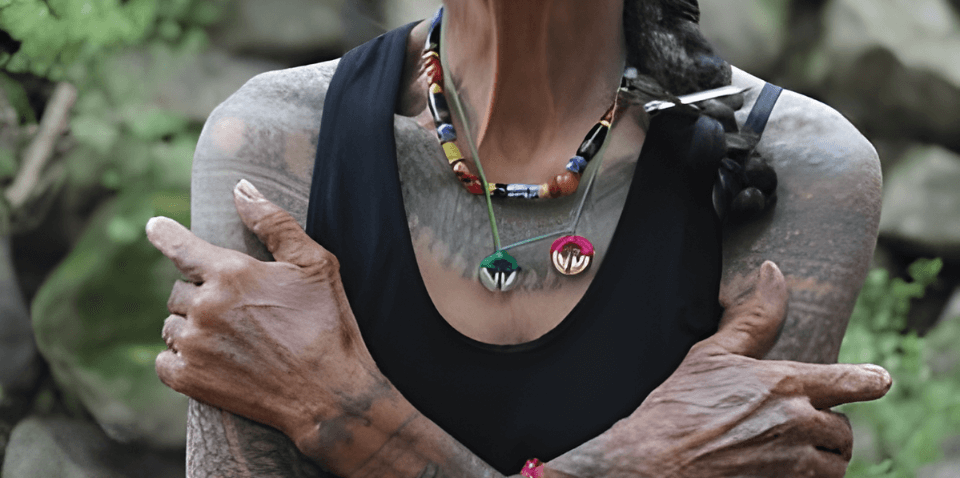
What Are Tattoos?

Tattoos are more than ink on skin, they are...

© kitainkph, 2025  |  Developed by: Lizardo

CONTACT US

De La Salle-College of Saint Benilde, Design and Arts Campus (D+A Campus)

kitaink.ph@gmail.com

© KITAINKPH, 2025 Developed by: Lizardo

CONTACT US

De La Salle-College of Saint Benilde, Design and Arts Campus (D+A Campus)

kitaink.ph@gmail.com

© KITAINKPH, 2025 Developed by: Lizardo